
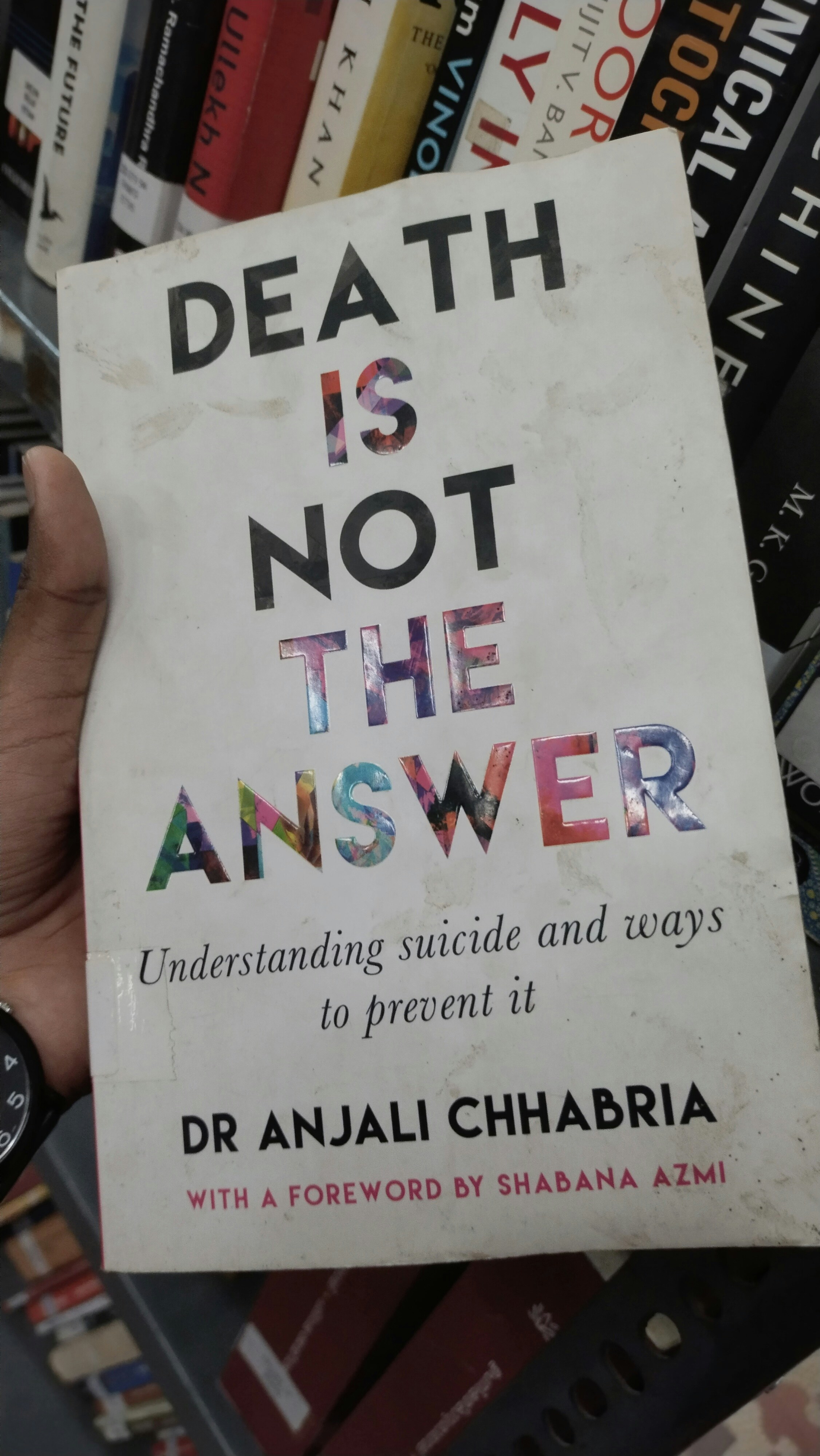
Introduction to Life and Death
Life and death are two of the most profound and existential concepts that shape the human experience. They are fundamental aspects that not only define our existence but also influence our thoughts, emotions, and interactions with others. How we perceive life and death can significantly affect our behavior and relationships, as well as our broader understanding of the world around us.
The concept of life encompasses a myriad of experiences, emotions, and activities that make up our daily existence. From the instant of birth, we embark on a journey filled with milestones, joys, struggles, and ultimately, the quest for meaning. Life can be viewed through various lenses—biological, philosophical, and spiritual—each offering distinct interpretations and insights. The richness of life is often celebrated in cultural rituals, artistic expressions, and philosophical reflections. This celebration underscores the importance of life as a precious resource that should be cherished and respected.
Conversely, death is an inevitable part of the life cycle. It marks the conclusion of our temporal journey, evoking a range of responses from individuals and cultures alike. Death prompts profound questions about existence, purpose, and what lies beyond. The way we grapple with the concept of death can inform our attitudes toward life. Many find that acknowledging mortality instills a sense of urgency and appreciation for the present moment. Cultural interpretations of death vary widely, impacting individual and communal grief processes, rituals, and beliefs about an afterlife.
Ultimately, the duality of life and death intertwines profoundly in our psyche. Our understanding of these concepts contributes significantly to our worldview, shaping how we engage with life, form connections, and find solace in times of loss. Exploring these themes allows for a deeper reflection on our values and the legacy we wish to leave behind.
Philosophical Perspectives on Life and Death
Philosophy has long engaged with the concepts of life and death, offering diverse perspectives that have shaped cultural and personal understandings of existence. From ancient to modern thinkers, various schools of thought grapple with the profound implications of life’s temporality and the finality of death.
For instance, Aristotle viewed life as a journey toward achieving eudaimonia, or flourishing. This perspective emphasizes that the quality and purpose of life depend on the pursuit of virtue and rationality. In contrast, existentialists such as Jean-Paul Sartre and Martin Heidegger argue that confronting the inevitability of death is crucial for individuals to lead an authentic life. They posit that the awareness of mortality can catalyze a more profound engagement with our existence.
The Stoics, on the other hand, advocate for acceptance of death as a natural part of life. By cultivating apatheia, or tranquility in the face of pain and loss, they teach that individuals should focus on what is within their control, thus shaping a meaningful life despite its transience. This view aligns closely with Eastern philosophies, such as Buddhism, which suggests that attachment to life leads to suffering and that understanding the impermanence of life is essential for achieving enlightenment.
Furthermore, contemporary philosophers like Peter Singer discuss the ethical implications of death, particularly regarding the sanctity of life and the moral dilemmas of euthanasia. These modern perspectives often intersect with technological advancements, prompting new ethical inquiries about life extension and the definition of a meaningful existence.
Ultimately, the philosophical exploration of life and death invites individuals to reflect on their values, fears, and the significance they attribute to their own mortality. Throughout history, these philosophical perspectives not only inform how we understand death but also guide how we choose to live our lives in light of its inevitability.
Psychological Interpretations of Death
Psychology provides a unique lens through which to examine the multifaceted experience of death, confronting the emotional and cognitive responses that arise in individuals when faced with their own mortality or the loss of others. Central to these interpretations are concepts such as grief and mourning, which encapsulate the processes of emotional adjustment and adaptation following a death. Grief is recognized not merely as a reaction to loss but as a complicated interplay of feelings that can include sadness, anger, guilt, and even relief. Elizabeth Kübler-Ross’s model of the five stages of grief—denial, anger, bargaining, depression, and acceptance—highlights how individuals may navigate this landscape of emotions, though it is essential to acknowledge that these stages are not strictly linear and may vary significantly among different people.
Moreover, the psychology of fear surrounding death, known as thanatophobia, explores the innate anxieties many experience regarding mortality. Research indicates that fear of death can influence behaviors, beliefs, and even our interactions with others. It can lead some individuals to seek out religious or spiritual explanations that provide comfort and context when confronting the inevitability of death. Others may resort to avoidance mechanisms, steering clear of conversations or experiences that remind them of their own mortality. Interestingly, existential psychology encourages individuals to confront these fears directly, suggesting that awareness of mortality can enhance appreciation for life and bolster personal growth.
Furthermore, the concepts of mourning rituals and their psychological significance reveal how cultural practices provide a framework for individuals to process their grief. These rituals, whether communal or personal, offer structure and meaning during a time of chaos and emotional turmoil. They often facilitate a communal expression of loss, fostering connections among the bereaved and creating a shared space for remembrance and healing. Thus, psychology deepens our understanding of death as not just an end but as a complex interplay of emotions that shapes our lives.
Cultural Views on Death and Dying
Throughout history, cultures around the globe have developed distinctive attitudes and practices regarding death and dying, reflecting their values, beliefs, and traditions. These cultural perspectives shape how individuals understand mortality and the significance of life and death. Across various societies, death is not merely viewed as an end, but often as a transition or a continuation of the life cycle.
In many Indigenous cultures, for example, the concept of death is intertwined with a belief in the spiritual world. Rituals and ceremonies that honor deceased individuals are prevalent, often involving communal gatherings that celebrate the life lived. These practices serve to reinforce community bonds and ensure that the memories of those who have passed are preserved. Similarly, in Hindu cultures, the belief in reincarnation influences perceptions of death, fostering a sense of acceptance and reverence for the life cycle.
Conversely, Western cultures tend to exhibit a more uncomfortable relationship with death. The idea of death is often hidden or sanitized, leading to avoidance and a lack of open conversation about mortality. Funerary customs may vary significantly, with practices such as commemorative services or graveside rituals allowing families to express grief while also celebrating the deceased’s life. In contrast, some cultures, notably in East Asia, incorporate ancestor veneration into their death rituals, emphasizing ongoing connections with deceased family members through regular offerings and rituals.
Overall, diverse practices and beliefs surrounding death and dying highlight the rich tapestry of human experience. By understanding and respecting these cultural differences, we can foster greater empathy, support, and meaningful dialogue on a topic that ultimately touches us all. As we explore these various cultural views, we come to appreciate that death, while a profound aspect of human existence, is approached in ways that reflect the beauty and complexity of life itself.
Personal Stories: Coping with Loss
Loss is an inevitable part of human existence, and each individual copes with it in their unique way. Through a variety of personal narratives, we can observe the distinct approaches individuals take when faced with the death of loved ones. One poignant story comes from Anna, a young woman who lost her father to a prolonged illness. In her grief, she discovered solace in writing letters to him, expressing her thoughts and feelings during her most difficult moments. This practice allowed her to maintain a connection, fostering both healing and a sense of ongoing dialogue.
Similarly, James, a middle-aged man who experienced the sudden loss of his spouse, utilized his passion for photography as a coping mechanism. After her death, he embarked on a journey to capture the beauty of the world around him, each photograph serving as both a tribute and a way to process his grief. Through his lens, he found a profound sense of purpose and a means to celebrate his partner’s life.
Moreover, elderly individuals often experience the loss of lifelong companions, confronting the formidable challenge of loneliness. Grace, an octogenarian, dealt with her loss by forging new social connections within her community. By engaging in volunteer work, she not only honored her late husband’s memory but also created friendships that brought joy and meaning to her life. Her story exemplifies resilience and the human capacity to find hope in the midst of sorrow.
These narratives underline the notion that grief can manifest in diverse forms, influencing individual healing journeys. While some may find it through creative outlets or community engagement, others may seek solace in introspection or shared experiences. Understanding these personal accounts cultivates compassion for those who navigate the emotional landscape of loss, emphasizing the shared human experience of coping with death.
The Role of Religion in Understanding Death
The perception of death and what follows is profoundly shaped by religious beliefs across cultures. Different religions offer varied interpretations of death, the afterlife, and the rituals accompanying the end of life, thus influencing how individuals confront mortality. For many, belief in an afterlife provides a framework to understand death as a passage rather than an end. Christianity, for instance, envisages eternal life in heaven or hell, contingent upon the earthly deeds of individuals. This perspective encourages followers to live morally, with hope embedded in their faith.
In Islam, the concept of life after death is equally significant. Muslims adhere to the belief in a Day of Judgment where every individual will be evaluated based on their actions. Such convictions foster a strong sense of accountability and assurance in God’s justice, shaping everyday behaviors and encouraging ethical living. Similarly, Hinduism and Buddhism present the ideas of reincarnation and karma, suggesting that actions in this life will influence the soul’s future existences. This cyclical view of life cultivates acceptance for death as a transformative process rather than solely an endpoint.
Rituals surrounding death, influenced by religious beliefs, serve to provide comfort and a means to mourn. They help individuals navigate grief and find solace in community and shared faith. For example, in Judaism, the practice of sitting shiva allows family and friends to gather, offering support to the grieving and reinforcing the communal bond in times of loss. Such rituals instill a sense of continuity, reminding believers of the faith’s teachings about life and death.
In summary, religion plays a vital role in shaping individuals’ understanding of death, offering various frameworks to interpret this inevitable aspect of life. Through beliefs and rituals, religions help devotees make sense of mortality, providing comfort and guidance as they navigate the complexities of life and the prospect of the afterlife.
Life Lessons Learned from Death
Contemplating death is often seen as a morbid exercise; however, it can serve as a profound catalyst for personal growth and a deeper appreciation of life. The awareness of mortality encourages individuals to reflect on their priorities, values, and the relationships they hold dear. Understanding that life is finite can lead to a greater urgency to engage in meaningful activities and to nurture connections with loved ones. This perspective serves as a reminder to not take time for granted and to live each day with intention.
Moreover, the confrontation with death can foster resilience. Recognizing that everyone faces this inevitable end can provide comfort in shared human experience. It invites individuals to develop empathy and compassion, knowing that the pain of loss is universal. This sense of solidarity may prompt people to support each other through grief, strengthening community ties and relationships.
Life lessons gleaned from the awareness of death force individuals to consider their legacies—how they wish to be remembered, and what impact they want to have on those around them. This prompts a shift in focus from mundane concerns to more significant questions of purpose, fulfillment, and meaning. Consequently, people may seek to align their actions with their values, leading to a life lived more authentically.
Additionally, embracing the reality of death can free individuals from the fear of failure, as they understand that every moment wasted can never be regained. It encourages a proactive approach to life, where individuals are more likely to pursue their passions, explore new interests, or take risks that they might otherwise avoid. Therefore, the inevitability of death, rather than being solely a source of fear, can ultimately inspire a more vibrant and purposeful existence.
The Impact of Modern Technology on Death Perception
The advent of modern technology has significantly transformed our perception of death, redefining how we process grief and remember those we have lost. Traditional mourning practices, once centered around physical memorials and funerals, are now enriched by digital platforms that offer new ways to commemorate the deceased. Virtual memorials, often created on social media or specialized websites, allow families and friends to share memories, photos, and tributes, fostering a sense of community and connection across geographical boundaries.
Online grief support communities represent another critical development influenced by technology. These platforms provide individuals with a safe space to express their grief and share their experiences with others who have encountered similar losses. The anonymity and accessibility offered by these digital forums can help reduce the stigma surrounding grief, encouraging open conversations about loss and healing. Moreover, these communities are available 24/7, catering to those who may feel isolated in their experiences, thus playing an essential role in modern grieving practices.
The concept of the digital afterlife raises intriguing questions about legacy and memory. As individuals increasingly engage in online activities, their digital footprints persist long after physical death. This phenomenon prompts discussions around how we wish to be remembered in the digital realm. Online profiles, social media accounts, and other digital content can continue to exist, becoming a form of an ongoing memorial. This digital presence allows the deceased to remain part of conversations, affecting how friends and family cope with loss and honor memories.
Overall, modern technology is reshaping our relationship with death, encouraging us to create new forms of remembrance and support while challenging traditional notions of mortality. As technology continues to evolve, it is essential to understand its implications on our perceptions of life and death.
Conclusion: Embracing Life Amidst the Reality of Death
As we journey through the complexities of existence, it becomes imperative to acknowledge the intertwined nature of life and death. The perspectives explored throughout this blog post reflect a rich tapestry of thoughts and philosophies, each providing a unique lens through which we can observe the essential truths of our being. By understanding life as a precious gift, we can foster a greater appreciation for its fleeting moments. This approach can deeply influence our mental and emotional well-being, allowing us to cultivate resilience and joy even in the face of uncertainty.
The inevitability of death prompts a profound reflection on how we choose to live our lives. Engaging with various viewpoints invites us to embrace our mortality, encouraging a deeper connection with our own existence as well as with others. Recognizing that life is finite can inspire us to pursue our passions, strengthen relationships, and seek fulfillment in everyday encounters. It is this recognition that heightens our awareness of the present, urging us to appreciate the small joys that may otherwise go unnoticed.
Furthermore, while the reality of death may evoke fear or discomfort, confronting this truth can catalyze personal growth. By fostering discussions around mortality, we can diminish stigmas associated with death, allowing for a more open and supportive dialogue. This, in turn, nurtures a culture wherein individuals are better equipped to seek comfort and support in times of grief.
In conclusion, understanding the relationship between life and death is essential for emotional and mental health. By embracing our lives fully while acknowledging the reality of death, we can navigate our existence with more profound significance. Ultimately, each moment is an opportunity—a chance to live richly, intentionally, and authentically in the face of life’s impermanence.