
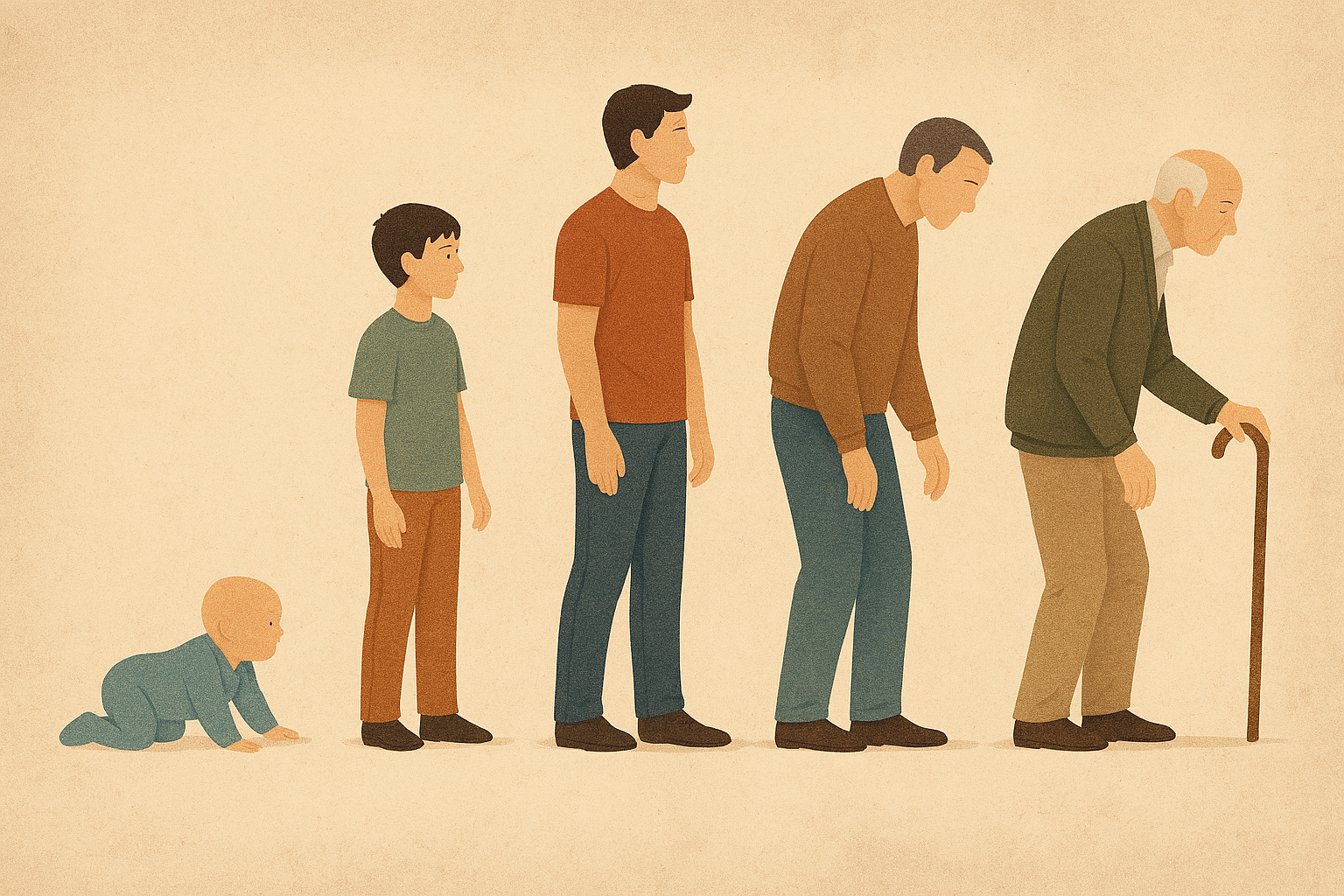
The Myths of Aging: Debunking Common Stereotypes
Aging is often surrounded by a multitude of stereotypes that can shape societal attitudes and individual perspectives. One prevalent myth is that aging automatically results in declining health and incapacity. While it is true that older adults may face health challenges, many maintain active lifestyles and manage their health effectively. Research by the World Health Organization indicates that approximately 80% of older adults live with at least one chronic condition; however, this does not preclude them from enjoying life or being physically active.
Another common stereotype is that older individuals are disconnected from contemporary culture, technology, and societal changes. This perception can lead to ageism, which marginalizes older adults. In reality, studies show that many older adults are not only adept at using technology but are also engaged citizens who participate in various social and cultural activities. For example, programs designed to educate seniors about digital tools have witnessed substantial uptake, promoting both connectivity and learning.
Furthermore, the notion that older adults are uniformly conservative or traditional in their views is misleading. The diversity of experience within this demographic is significant, with countless individuals adapting to societal changes and advocating for progressive ideas. Personal anecdotes reveal that many older adults embrace new experiences and challenges, defying the simplistic categorizations attributed to their age group.
Additionally, the idea that the aging process is solely a time of regret and nostalgia is overly simplistic. Rather, it can be a period of reflection, personal growth, and reinvention. As many older adults reassess their priorities, they may discover newfound passions, leading to enriching pursuits that contribute positively to their well-being. This complexity of aging deserves acknowledgment and respect, as it highlights the richness of older age.
Growing Wisdom: Insights Gained Through Experience
Aging often yields profound wisdom, a treasure trove of insights shaped by the myriad experiences encountered throughout life. Each individual’s journey is unique, colored by challenges, triumphs, relationships, and the passage of time. Through these experiences, individuals develop a deeper understanding of life’s complexities. As people navigate the hills and valleys of existence, they accumulate wisdom that enhances their perspective on various facets of life.
Resilience, a vital aspect cultivated over the years, plays a crucial role in shaping one’s worldview. It empowers individuals to confront hardships with a renewed sense of strength. The ability to bounce back from adversity allows older adults to impart knowledge regarding perseverance and adaptability, teaching younger generations the importance of grit in the face of life’s inevitable trials.
Lessons learned from both achievements and setbacks contribute significantly to personal growth. Reflecting upon past mistakes allows individuals to identify patterns and make informed decisions in the present. Similarly, recognizing successes fosters a sense of confidence and encourages individuals to pursue their passions. These realizations illustrate that personal evolution is an ongoing journey, shaped by all experiences, both good and bad.
A compelling way to visualize these transformations is through narratives shared by older individuals. Interviews reveal moments of clarity, transformation, and profound understanding that often accompany later life stages. By recounting significant experiences, such as career transitions, family dynamics, or personal challenges, these individuals highlight how their perspectives have shifted. The blend of reflective storytelling enhances the appreciation for the transformative power of aging, emphasizing that wisdom is not merely a product of age but the distillation of experiences that create a meaningful life narrative.
Shifting Values and Priorities: What Really Matters as We Age
Aging is a profound journey that invariably alters our values and priorities. As individuals transition through various stages of life, a clear shift often occurs from ambition-driven goals, initially sought in youth, towards a deeper emphasis on relationships, well-being, and personal fulfillment. Many older adults report that their younger years were dominated by aspirations linked to career achievements and financial stability. However, as they age, these benchmarks tend to become less significant, leading to a burgeoning appreciation for connections with family and friends.
This reorientation often brings to light a newfound understanding of what constitutes a meaningful existence. Significant focus transitions to nurturing relationships and fostering a sense of community. For many, the realization surfaces that the essence of a fulfilled life is not tethered to material success, but rather woven into the fabric of shared experiences, love, and companionship. This perspective is further supported by various studies that indicate older adults often prioritize spending quality time with loved ones over any competition in career advancement.
Moreover, reflection and gratitude play pivotal roles in reshaping our perceptions of success. Older individuals frequently engage in self-reflection, allowing them to identify what they deem important. Stories from older adults unveil how small pleasures and moments of simplicity often emerge as paramount sources of happiness. They find joy in day-to-day interactions, the beauty of nature, and the thrill of pursuing hobbies previously neglected due to the demands of a busy professional life. Empirical studies corroborate these findings, revealing that many individuals discover peace and contentment through such simplicity, thereby redefining what a “successful” life entails.
Aging Authentically: Embracing Change and Self-Discovery
Aging authentically is a profound journey that many individuals experience as they move through different life stages. With the passage of time, older adults often find themselves shedding the layers of societal expectations and external influences that may have shaped their identities in youth. This liberation allows for a more profound connection to their true selves, fostering an environment conducive to self-acceptance and personal growth.
As individuals age, they frequently come to terms with their imperfections and limitations, realizing that these nuances contribute to their unique identities. This acceptance does not signify resignation but rather a deepened appreciation for their life experiences. Embracing change becomes a vital part of their journey, allowing older adults to redefine their passions and pursue interests that align with their authentic selves. It is a testament to the idea that life continues to offer opportunities for exploration and fulfillment.
The concept of aging authentically also serves as a beacon of inspiration for younger generations. By sharing their stories of self-discovery and liberation, older adults can encourage youth to reflect on their own identities and the importance of living genuinely. This intergenerational dialogue is crucial, as it highlights the beauty of aging while dispelling myths surrounding it. It showcases the potential for continuous growth, regardless of age.
Ultimately, the journey toward aging authentically invites individuals to celebrate their life experiences while embracing the changes that come with the passage of time. This perspective fosters a culture of acceptance, where both older and younger generations understand that the process of aging is not merely about physical decline but a rich tapestry of personal evolution and empowerment.