
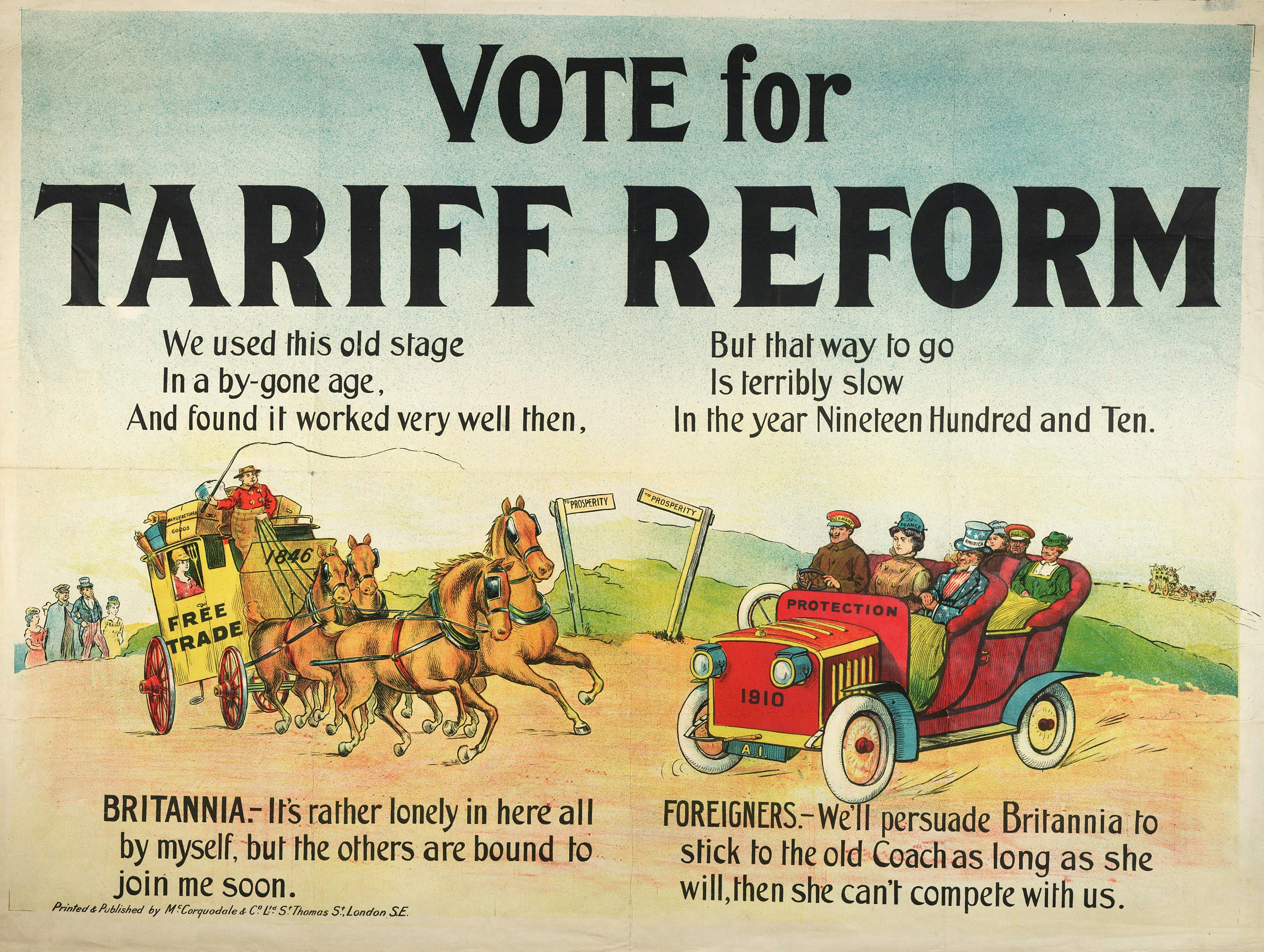
Understanding Tariffs
Tariffs are taxes imposed by a government on imported goods and services. They are designed primarily to regulate international trade, protect domestic industries, and generate revenue for the government. By increasing the cost of foreign products, tariffs can make domestic alternatives more appealing to consumers. This mechanism serves multiple purposes: it can protect jobs in local industries, encourage investments, and potentially reduce trade deficits.
The introduction of tariffs often leads to higher prices for consumers, as businesses typically pass on the additional costs associated with tariffs to their customers. As a result, consumers may face increased prices for imported goods, which can alter purchasing behavior and lead to a shift towards domestic products. Moreover, the overall consumer demand may be affected, leading to a ripple effect throughout the economy.
Historically, tariffs have played a significant role in shaping economic relationships between countries. For instance, previous tariff implementations in recent times have been met with extensive international backlash and retaliatory measures, further complicating trade dynamics. When former tariffs were introduced and subsequently withdrawn, the shifts in trade balances provided critical insights into their impacts on both GDP and foreign relations.
The recent announcement of a new 10% tariff by former President Trump adds another layer of complexity to the current economic situation. This new measure aims to address concerns related to trade imbalances but raises questions about its broader implications for consumers and the international trade environment. Understanding the nuances of tariff dynamics is essential for grasping the potential economic fallout of such policies.
Analysis of Previous Tariffs and Their Effects
Tariffs have long been a tool employed by governments to protect domestic industries and generate revenue. However, a review of previous tariffs overturned in recent years reveals that these measures often fell short of their intended goals. Domestically, the imposition of tariffs frequently resulted in increased costs for consumers and businesses alike, undermining their effectiveness. As tariffs raised the price of imported goods, domestic manufacturers did not experience the intended boost in demand due to the inflated costs passed on to consumers.
The economic impact was also seen in international relations, as countries affected by these tariffs retaliated with their own measures. This retaliation led to a decrease in exports for domestic producers who otherwise competed effectively on the global stage. In many instances, such trade wars resulted in strained relationships between trading partners, thereby complicating future negotiations and collaborations. The lack of cooperation hindered prospects for enhancing trade agreements favorable for both parties.
Moreover, the anticipated revenue generation from these tariffs was often disappointing. Economists found that the reality of reduced trade volumes overshadowed any potential gains from tariffs. Ultimately, these previous tariffs were deemed ineffective as they failed to achieve their dual objectives: protecting domestic industries and increasing government revenues. Instead, they often exacerbated issues for consumers and created a climate of uncertainty that stifled economic growth.
By assessing the shortcomings and consequences of these earlier tariff implementations, we can establish a baseline against which to evaluate the upcoming 10% tariffs proposed under the Trump administration. Understanding these historical patterns will be crucial in analyzing the potential economic outcomes moving forward.
Projected Financial Gains from the New 10% Tariffs
The introduction of a 10% tariff by the Trump administration is projected to generate significant revenue within the next 180 days. According to current economic models, the tariffs, imposed on various imported goods, are expected to yield billions of dollars in government revenue. Different sectors will experience varying impacts; however, a closer examination reveals that sectors such as manufacturing and agriculture might see notable gains as they benefit from reduced foreign competition.
Revenue estimations indicate that the imposition of these new tariffs could reach up to $36 billion, contingent on the import levels and the breadth of products covered under the tariff umbrella. It is crucial to understand that this influx is not merely concerning governmental income but also the wider ramifications for domestic producers. Economic models propose that increased tariffs may encourage local production, as domestic industries often have a price edge when imports are made more expensive.
For domestic industries, especially in manufacturing, the advantages are clear. Companies may find an opportunity to increase market share as foreign goods become less competitive. Enhanced production capabilities could drive job creation and foster economic growth within local communities. However, it is essential to note that while projected financial gains indicate potential positive outcomes, certain sectors may experience negative repercussions. Increased costs of imported goods could ultimately lead to higher prices for consumers, highlighting a significant trade-off that policymakers must consider.
In conclusion, while the economic models predict substantial revenue from Trump’s new tariffs, careful analysis of sector-specific implications and a balanced approach to domestic productivity will be required to mitigate drawbacks and maximize potential gains.
Potential Long-term Effects
The introduction of 10% tariffs by the Trump administration has the potential to reshape not only the immediate economic landscape but also the long-term dynamics of U.S. trade relations with other nations. As these tariffs are imposed, they might provoke retaliatory measures from trading partners, leading to a spiral of escalating trade barriers. Such responses could significantly disrupt established trade agreements and impact industries reliant on exports.
One area particularly vulnerable to these tariffs is consumer pricing. Tariffs often lead to increased costs for imported goods, which businesses may pass on to consumers. This inflationary pressure could have effects on discretionary spending, leading to a decrease in consumer confidence and potentially slowing economic growth. The significant reliance on imported products means that a wide range of everyday items may experience price hikes, affecting not only individual consumers but also businesses that depend on these goods as inputs.
Furthermore, long-term economic ramifications could include a shift in supply chains as companies seek to mitigate the impacts of tariffs by sourcing goods from countries with more favorable trade dynamics. This realignment may create opportunities in alternative markets while simultaneously disadvantaging those industries that remain dependent on tariffs’ affected countries.
In conclusion, while the immediate effects of the 10% tariffs might present some short-term economic benefits to certain domestic industries, the potential long-term repercussions—ranging from retaliatory tariffs to increased consumer prices and disrupted supply chains—signal a complex and uncertain future for U.S. trade policy. As these developments unfold, it will be crucial for policymakers to balance protective measures with the broader implications for the economy and international relations.